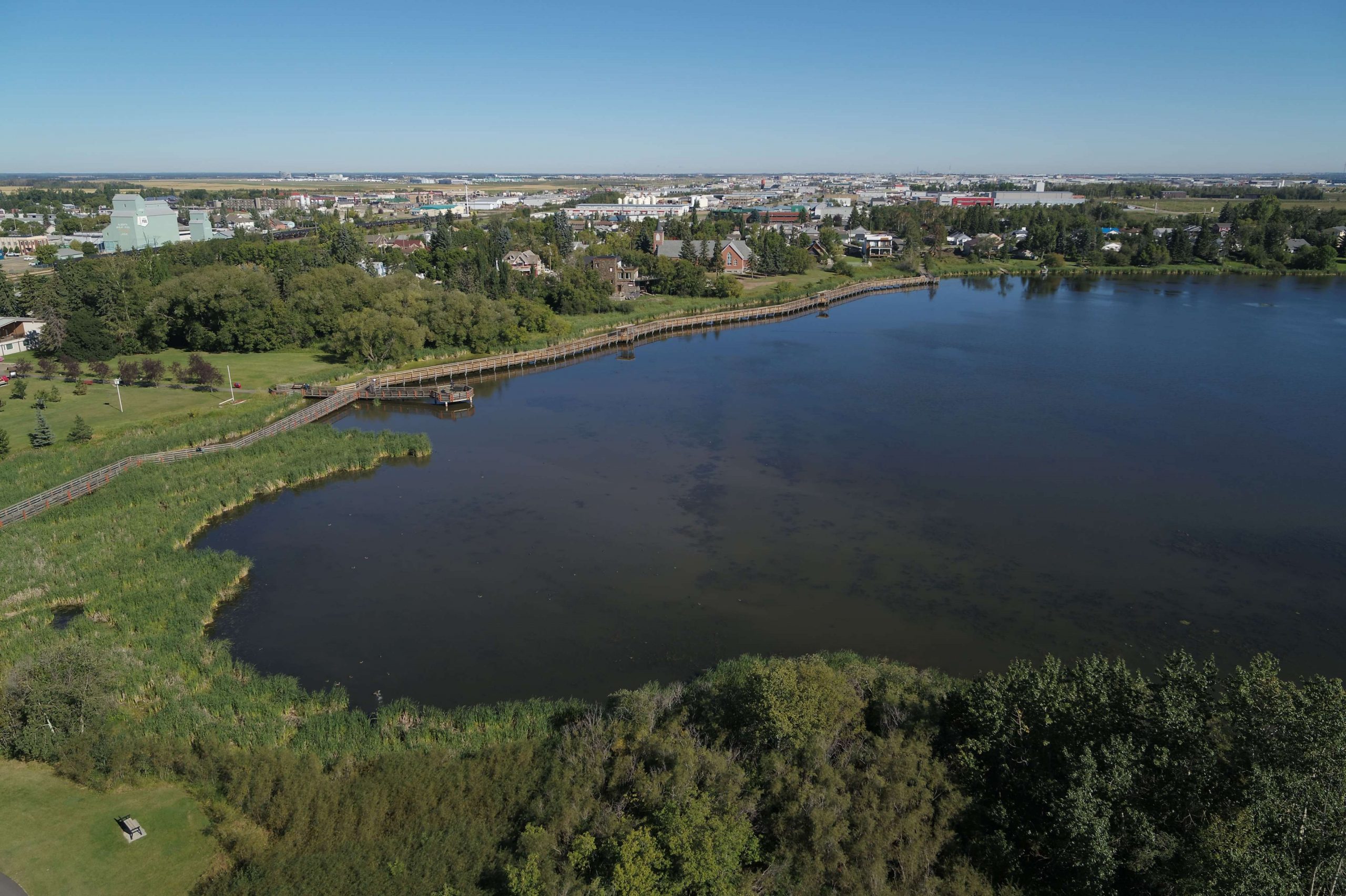
Annexation is the legislated process for a municipality to expand its boundaries in order to accommodate future growth. Properties within an annexation area change from being in one municipality to being in another. Annexation does not change ownership, and owners are not required to develop or sell their property.
FAQs About Annexation
No. Expropriation is a process for a municipality to take ownership of land when it is needed for public use. Annexation does not change land ownership. Properties within an annexation area change from being in one municipality to being in another.
No. Amalgamation is when two municipalities combine to become one municipality. The affected municipalities still exist after annexation but the boundary of each municipality is different.
No, the City will not own the land. Properties within an annexation area simply transition from being part of the County to being part of the City.
The Land and Property Rights Tribunal is an independent board established under the Municipal Government Act. Its members are provincially appointed. Its role in annexation is to:
- Conduct public hearing(s) relating to the annexation if any objections are received on the proposed annexation, which allows any affected party to appear at the hearing to make submissions; and
- Prepare a report with its recommendations on the proposed annexation and send it to the Minister of Municipal Affairs for Cabinet to consider in making its decision.
FAQs for Impacted Landowners and City Residents
The city needs to expand its boundary, so it has enough land to accommodate the next 50 years of growth. This will enable proper planning of land uses and infrastructure investments as the city grows. Long-term planning is the only cost-effective way to plan for current and future generations.
The city continues to grow at the high end of historical projections and is currently processing higher than ever development applications. This level of development activity is absorbing land quickly and is a trend that demonstrates the urgent need for the City to plan for future growth.
The City is planning for infill and intensification as we grow. Some of the City’s future growth needs can be accommodated within the city’s existing boundary; we will continue to develop lands within our existing boundary first. But there isn’t enough vacant and underutilized land in the city to accommodate all the city’s growth needs. More land will be required to accommodate growth even as the City plans for compact and efficient use of land for future growth.
The City has proposed annexing lands to the south and southeast of the existing municipal boundary as shown on the proposed annexation area map. The map shows the maximum amount of land being considered for annexation; some of the land might stay in Leduc County in the end. The proposed annexation boundary is not finalized and will be refined through further information gathering over the next three years of the project.
Based on what the City knows about the proposed annexation area, this is the best place for the City to grow in the future without spending an unnecessary amount of money on infrastructure, impacting high quality agricultural land, and has the best chance to accommodate efficient and compact growth patterns.
Technical studies will be conducted in 2025 and 2026 to verify that extending the City’s growth to the south and southeast makes the most sense and ensures both the City and the County can accommodate future growth.
The proposed annexation area will be refined and depending on what the technical studies show, the final application may include less land than is currently proposed.
The City of Leduc conserves agricultural land and values keeping it for agricultural production until the land is needed for urban development. When development occurs, the City has good land use planning practices and policies to reduce urban sprawl. New development must occur next to already developed lands and meet minimum densities so that it is compact and uses land more efficiently.
There are a few potential paths forward; however, the City of Leduc anticipates annexation of the proposed lands will involve the following steps:
- Submit a written Notice of Intent to Annex
- Conduct technical studies
- Undertake negotiations with the County in good faith
- Engage with landowners and the public
- Submit annexation application to Land and Property Rights Tribunal (LPRT)
- Hearings may be held if the application is contested
- Recommendation made by the Land and Property Rights Tribunal and to the Government of Alberta
- Decision made by the Government of Alberta
The City has budgeted $2.2 million to undertake technical studies, engage with residents and impacted landowners, and work collaboratively with the County. Recognizing the cost and resources involved in an annexation project are significant, this decision was made through careful consideration. The City wants to make sure annexation doesn’t happen again for many decades by annexing the right amount of land. Planning for future growth is our most responsible path forward because the costs of annexing now will reduce future costs that can result from the city running out of land to grow.
The dissolution of the EMRB does not impact the annexation process because annexation was never part of the Board’s mandate. The annexation process is guided by the Municipal Government Act, which the City is and will continue to follow.
The City looks forward to, and is committed to, working with the County to ensure the annexation and Intermunicipal Development Plan (IDP) processes move forward as effectively as possible. Both IDP and annexation processes are regulated in the Municipal Government Act. Developing an Intermunicipal Development Plan is a legislative process that is separate from annexation and with a different purpose under the MGA.
Like all municipalities in Alberta who are no longer part of Growth Management Boards, the City and County are required to have an Intermunicipal Development Plan in place by Nov. 30, 2027. The IDP does not have to be developed before the annexation process can proceed.
The Municipal Government Act requires municipalities to negotiate in good faith when working through the legislated process of annexation. The City looks forward to working with the County on the proposed annexation over the coming years, most notably during the negotiation stage starting in April of 2026.
The Municipal Government Act does not outline a process where annexation can happen in stages. Repeated annexations are costly and confusing for landowners. The City’s intention is to annex the right amount of land, not more than needed, to plan responsibly for the future. This saves taxpayers money and ensures the City does not have to repeat the annexation process and the associated costs multiple times.
Making sure the city has room to grow means that the City can continue to provide a high quality of life for existing and new residents. It means the City can continue to provide enough housing, jobs, parks and places to enjoy, and other amenities or services that residents depend on.
This work advances Goal 2 in the City’s 2023–2026 Strategic Plan. Specifically, it supports Action 2.1.3 – to optimize the use of existing municipal infrastructure and plan for future growth.
Expanding Leduc’s municipal boundaries aligns with Section 2.1.2 of the City’s Municipal Development Plan, which outlines actions intended to support contiguous and efficient growth. Specifically, the MDP:
- Requires the City to monitor growth and ensure there is enough land available for development opportunities (2.1.2.6);
- Encourages the city to acquire land supply that can be serviced efficiently and contiguously to support Leduc’s long-term growth (2.1.2.9); and,
- Encourages the strategic investment of new infrastructure that will result in long-term benefits to the community (2.1.2.10).
The City’s role is to plan for long-term growth. Part of that means making sure we have enough land for non-residential uses that support great services, jobs, and attract investment to the city. By making sure there is a balance of available residential and non-residential land, the City can secure Leduc’s future prosperity and fiscal sustainability.
The City is committed to transparency throughout the project while maintaining appropriate information sharing as regulated by the Access to Information Act and the Protection of Privacy Act.
Impacted landowners and the public will be invited to participate in engagement sessions throughout the project. The City will also maintain an electronic mailing list for important project updates and send notifications by mail as per the Municipal Government Act.
If the annexation is not approved, the City may face more growth than the current supply of land can handle. This could result in higher housing costs and a lack of land for businesses, new schools, or places for people to work.
You will receive a letter from the City with information about the process and how to get involved.
The City wants to share information about the annexation process and hear from landowners throughout the process. The annexation will include a comprehensive engagement process. More information on how to get involved will be provided on the City’s website as the project progresses and landowners are encouraged to contact the City with any questions.
The City and the County will review and learn from landowners about the services being provided by the County in the proposed annexation area and will assess whether these services are consistent with those provided to existing City residents. Once assessed, a decision will be made whether existing County services will be maintained or amended.
Owners within the annexation area will continue to use their land in the same manner as prior to annexation, subject to City bylaws. Annexation doesn’t force landowners to develop their property.
The City understands landowners will be especially interested in how annexation will affect their property taxes. There are many strategies established through historical annexation practices that aim to avoid property taxes changing for individuals in the annexation area. The City will look for a solution that best reflects the interest of impacted landowners and existing City residents and businesses. This will be a key focus during the public engagement process.
Residents will be invited to an open house where they can learn more about the potential annexation and share feedback on the City’s proposal. Details about engagement opportunities will be shared on the City’s website and social media. Residents are also encouraged to contact Teaka Broughm, Director of Planning and Economic Development, ([email protected] or (780-996-3938) to ask questions and provide comments.
The City plans ahead by using long-term growth plans and technical studies to understand when and where services will be needed. Infrastructure is added gradually, based on community growth, available funding and servicing priorities.
This approach helps ensure systems like roads, water, and wastewater are built at the right time, are properly maintained, and remain affordable over the long term. It also allows the City to invest responsibility while making sure infrastructure keeps pace with growth.
The City recognizes the important role agricultural producers play in our region and is committed to supporting farming operations over the long term until land is needed to accommodate urban growth. This balanced approach ensures agricultural operations can continue while providing clarity about how and when lands may transition over time.
Owners within the annexation area will continue to use their land in the same manner as prior to annexation, subject to City bylaws. Annexation doesn’t force landowners to develop their property, nor does the City anticipate immediate development in the area – should annexation be approved.
Agricultural lands would not be prematurely fragmented or converted to non-agricultural uses. Instead, growth would be guided through long-range planning and logical expansion of development patterns. During this time, agricultural activities would continue, and development that supports farming operations (such as farmstead separations) would still be considered where appropriate.
The City also is examining how City operations can support agricultural producers. The City is business friendly and currently provides a wide range of business support. We also recognize the unique needs of agricultural producers, including services such as weed control and coordinated infrastructure planning.
The City looks forward to further conversations regarding services that help maintain productive lands while preparing responsibility for future growth.
The City and County currently follow the same regulations for discharge of firearms, governed by the Wildlife Act, which restricts discharge of firearms within 200 yards (183 metres) of an occupied building, across maintained roads, or during nighttime hours.